# Innovations and Trends in Architecture in Palma de Mallorca
In recent years, the demand for **arquitectura Palma de Mallorca** has grown significantly, reflecting the island’s evolving urban landscape. [arquitectura Palma de Mallorca](//www.micometa.com/) plays a crucial role in shaping residential, commercial, and cultural projects that respect the local heritage while embracing contemporary design.
## None
### arquitectos en Palma de Mallorca
Local professionals known as *arquitectos en Palma de Mallorca* bring a deep understanding of the Mediterranean climate, historic building codes, and the island’s tourism dynamics. Their expertise enables the integration of sustainable materials, passive cooling strategies, and adaptive reuse of historic structures, ensuring that new developments harmonize with the surrounding environment.
### arquitectos Palma de Mallorca
The term *arquitectos Palma de Mallorca* encompasses a diverse community of designers who collaborate with municipal authorities, private developers, and community groups. Their projects range from boutique hotels nestled in the old town to modern waterfront complexes that prioritize sea views and public accessibility.
### arquitecto en Mallorca
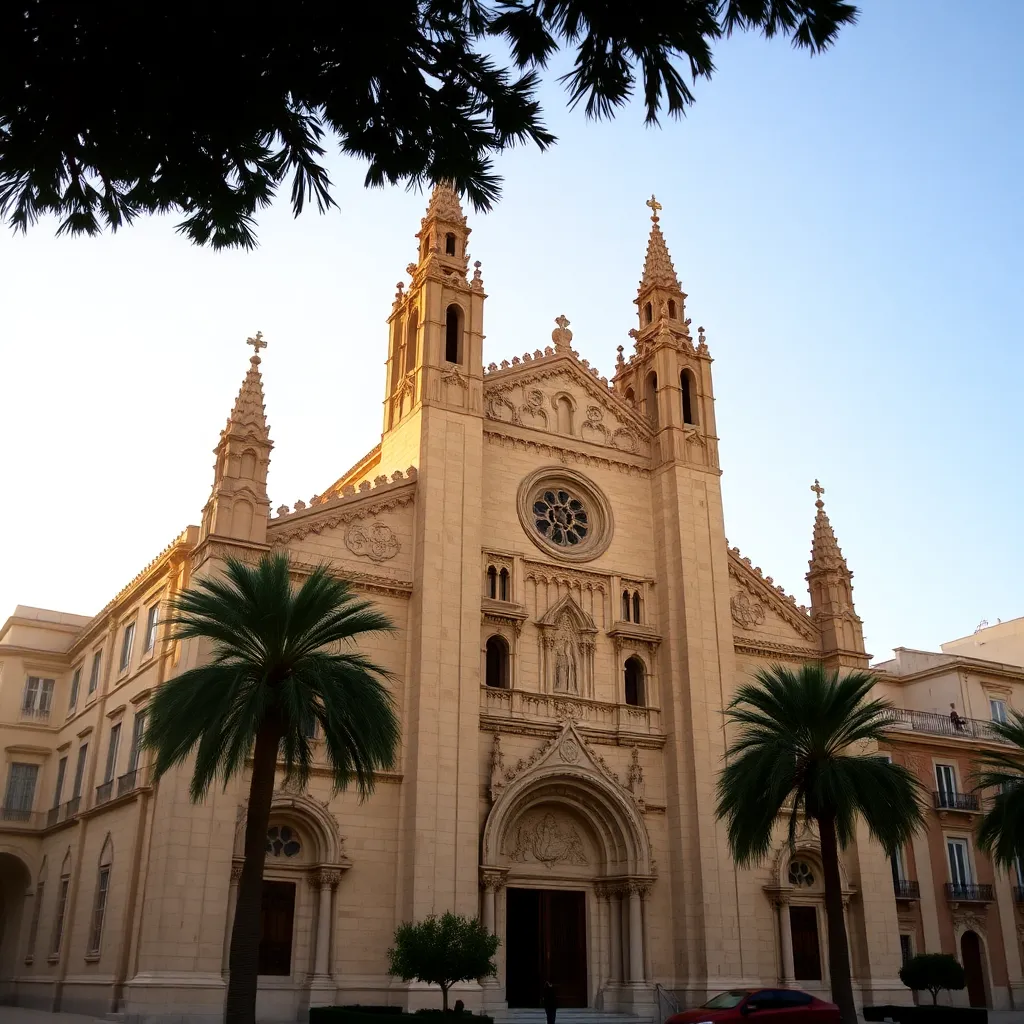
When a client seeks a *arquitecto en Mallorca*, the focus often lies on creating spaces that capture the island’s unique light and landscape. These professionals balance aesthetic ambition with practical considerations such as seismic resilience, coastal erosion, and the preservation of traditional stone façades.
### estudios arquitectura Mallorca
Several *estudios arquitectura Mallorca* have emerged as incubators for innovative design thinking. They host interdisciplinary workshops, engage with local universities, and promote research on climate‑responsive architecture, positioning the island as a laboratory for forward‑looking building practices.
### arquitectos Mallorca
The broader label *arquitectos Mallorca* reflects a network that extends beyond Palma, reaching coastal villages, inland towns, and rural settlements. Their collective efforts contribute to a cohesive regional identity that blends modernity with the island’s storied past.
### arquitecto Palma de Mallorca
Clients often turn to a dedicated *arquitecto Palma de Mallorca* for projects that require intimate knowledge of local zoning regulations, heritage preservation guidelines, and the nuances of the island’s tourism-driven economy. This specialist insight ensures compliance while fostering creative freedom.
### arquitectos en Mallorca
The phrase *arquitectos en Mallorca* signifies a community that shares resources, technical expertise, and a commitment to ecological stewardship. Collaborative platforms allow these professionals to exchange solutions for challenges such as water scarcity, renewable energy integration, and waste reduction in construction.
### arquitecto Mallorca
Choosing an *arquitecto Mallorca* often means partnering with a designer who values contextual relevance. From the limestone hills of the interior to the vibrant marina districts, these architects tailor their approach to the specific character of each site.
### arquitectura Palma de Mallorca
The evolution of *arquitectura Palma de Mallorca* is marked by a dialogue between tradition and innovation. Contemporary projects reinterpret historic motifs—such as wrought‑iron balconies and terracotta roofing—through modern construction techniques, creating a seamless blend of old and new.
### arquitectura Mallorca
Across the island, *arquitectura Mallorca* showcases a spectrum of styles, from minimalist beachfront villas that maximize natural ventilation to urban lofts that celebrate adaptive reuse of industrial warehouses. This diversity reflects the island’s commitment to both cultural preservation and progressive design.
One of the most compelling trends in the local building scene is the emphasis on sustainable urban planning. Planners and architects collaborate to develop mixed‑use districts that reduce car dependency, incorporate green corridors, and provide communal spaces for residents. Such initiatives not only enhance quality of life but also align with broader European environmental targets.
Another notable development is the integration of digital tools in the design process. Building Information Modeling (BIM) and parametric design software enable *arquitectos Palma de Mallorca* to simulate performance, optimize material usage, and visualize complex geometries before construction begins. This technology-driven approach shortens project timelines and minimizes waste.
Heritage conservation remains a cornerstone of the island’s architectural identity. Restoration projects often involve meticulous research into original construction methods, allowing craftsmen to replicate traditional techniques while introducing modern safety standards. These efforts ensure that historic neighborhoods retain their charm while meeting contemporary livability criteria.
The tourism sector continues to shape architectural priorities. Hotels and resorts seek designs that offer immersive experiences—such as rooftop terraces with panoramic sea views or interior courtyards that evoke the island’s natural tranquility. By integrating local art, flora, and culinary spaces, these venues create a sense of place that resonates with visitors.
Public infrastructure is also undergoing a renaissance. New cultural centers, libraries, and transport hubs are being conceived with an eye toward accessibility, inclusivity, and aesthetic appeal. Architects collaborate with engineers to incorporate universal design principles, ensuring that spaces are welcoming to all members of the community.
Education plays a pivotal role in cultivating the next generation of designers. Universities and technical schools in Palma de Mallorca offer curricula that blend theoretical knowledge with hands‑on studio work, emphasizing sustainability, cultural sensitivity, and innovative problem‑solving. Graduates often join local firms, enriching the professional landscape with fresh perspectives.
In summary, the dynamic interplay of tradition, sustainability, technology, and tourism defines the current state of **arquitectura Palma de Mallorca**. As the island continues to evolve, architects, planners, and stakeholders remain committed to creating built environments that honor the past while embracing the future.